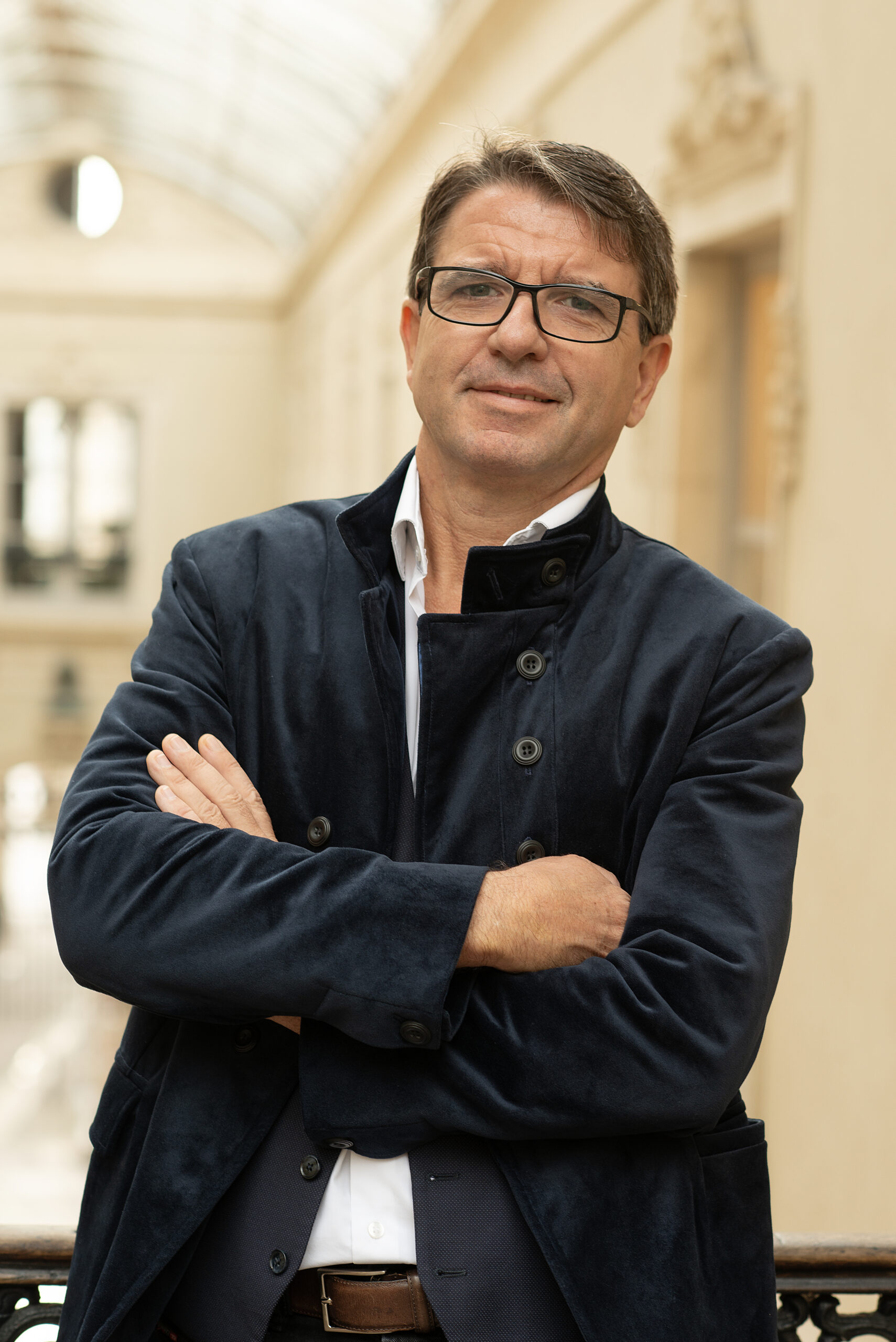
George Soros: Trauma, Resilience & His Philanthropic Drive
Welcome to Psychologie et Sérénité. Today, we delve into the psyche of an iconic and often controversial figure: George Soros. A financial genius, a committed philanthropist, and a recurring target of conspiracy theories, his life story is exceptionally rich for anyone interested in the deep mechanisms of human personality. As a CBT psychopractitioner, my goal is not to make a diagnosis, but to explore—through the lens of public facts—how foundational experiences, cognitive schemas, and defense mechanisms can shape an individual of such stature.
In the article that follows, I draw the psychological portrait of this figure. Reading a life this way often raises the same question about oneself: I designed a 16 personality types test that helps you take stock of your personality profile. It comes with a guide to extend your reflection beyond the results. I also wrote a book on this subject, The Practical CBT Guide, if you would like to go further.
The case of George Soros is particularly fascinating because it strikingly illustrates the impact of early trauma on personality development, resilience in the face of adversity, and the way an individual can transform his own wounds into a quest for social change.
A Biographical Hook: From Survival to Global Philanthropy
Born György Schwartz in 1930 in Budapest, Hungary, George Soros experienced a childhood marked by turmoil. From a Jewish family, he was directly confronted with the rise of antisemitism and the horror of the Holocaust. His survival, and that of his family, was the result of extraordinary ingenuity and daring—notably through the use of false identities and the help of his father, Tivadar Soros, who had himself survived the Russian Revolution and Siberia. This formative period, lived in hiding and under constant fear, undoubtedly left an indelible mark on his psyche.
After the war, Soros emigrated to London in 1947, where he studied at the London School of Economics (LSE) under the philosopher Karl Popper. Popper's thought, particularly his concepts of the "open society" and scientific falsifiability, would become a cornerstone of Soros's worldview. He then settled in the United States, where he built a colossal fortune in finance, notably through the Quantum Fund, making a name for himself as a bold speculator capable of anticipating and influencing global markets. His decision to "break the Bank of England" in 1992, by betting against the pound sterling, has gone down in history.
But beyond his financial career, it is his philanthropy that defines much of his legacy. Founder of the Open Society Foundations (OSF), he has devoted billions of dollars to promoting democracy, human rights, freedom of expression, and social justice around the world. This transition from a world of financial speculation to one of democratic activism raises profound questions about his motivations and his personal development.
It is this complexity that we will explore, drawing on recognized psychological frameworks to try to understand the driving forces that animate this extraordinary man.
Plausible Early Maladaptive Schemas: The Legacy of Survival
Jeffrey Young, the father of schema therapy, posits that early maladaptive schemas (EMS) are deep, enduring patterns of thoughts, emotions, and bodily sensations that develop out of negative childhood and adolescent experiences, particularly when fundamental emotional needs go unmet. Given George Soros's childhood, it is plausible to identify several schemas that could have formed and influenced his trajectory.
These schemas, far from being weaknesses, can become powerful driving forces. The vigilance of the Mistrust/Abuse schema can turn into a unique flair for opportunities and dangers. The instability experienced can foster unparalleled adaptability. Emotional deprivation can prompt a person to turn toward causes greater than themselves, in search of meaning and impact.
Defense Mechanisms: Coping Strategies in the Face of Adversity
Defense mechanisms, conceptualized by Anna Freud and elaborated by figures such as Otto Kernberg, are unconscious psychological processes that protect the individual from anxiety, internal conflict, and external threats. In a person who has been through trauma as profound as the Holocaust, these mechanisms are essential to psychic survival.
Attachment Style: A Quest for Security Through Independence
Attachment theory, developed by John Bowlby, explores how early interactions with parental figures shape our capacity to form bonds and regulate our emotions. Given his traumatic childhood, George Soros likely developed an attachment style that reflects this instability and constant threat.
It is plausible to hypothesize a predominantly avoidant-detached attachment style in adulthood. The child who lived in hiding and fear learned that dependence can be dangerous and that autonomy is a condition of survival. The attachment figures, though loving, were themselves under immense existential pressure, which could limit their full emotional availability. This may have encouraged an internalization of the ability to fend for oneself, not to rely on others for one's emotional or physical security.
In adult relationships, an avoidant style is often characterized by strong independence, a reluctance toward emotional closeness, a preference for autonomy, and a certain discomfort with intimacy. Soros, known for his intellectual and sometimes distant approach, seems to fit this profile. His commitment to abstract and macro-social causes, rather than to intense interpersonal relationships, could also be a manifestation of this style. His energy is invested in controlling the external environment and pursuing intellectual and philanthropic goals, rather than in seeking emotional security from others. This does not mean a lack of capacity to bond, but rather a mode of bonding in which autonomy and distance are favored to maintain a sense of security and mastery.
Personality Traits According to the Big Five Model
The Big Five model (or OCEAN, for Openness, Conscientiousness, Extraversion, Agreeableness, Neuroticism) offers a framework for describing the fundamental dimensions of personality.
Registers Mobilized: A Balance Between Thought and Action
George Soros primarily mobilizes three psychological registers:
CBT Lessons for the Reader: Turning the Past into Strength
The story of George Soros offers valuable insights for cognitive behavioral therapy and schema therapy:
The story of George Soros is a powerful testament to the complexity of the human psyche and its capacity to transcend the darkest experiences to shape a legacy of global reach. It invites us to look beyond the controversies to understand the deep mechanisms of human action.
Gildas Garrec, CBT psychopractitioner — This article offers psychological hypotheses based on public data, without clinical diagnosis. Take the test: Psychological resilience → — 60 questions, anonymous, instant PDF report (€2.90). 🔗 Analyze your conversations with ScanMyLove — get an objective, structured read of your relationship's communication patterns.Related Articles
- Why You Underestimate Yourself (and How to Stop)
- The Psychological Portrait of Warren Buffett: The Oracle of Omaha and the Psychology of Frugality and Patience
- Sam Bankman-Fried: When Effective Altruism Goes Astray – A CBT Analysis
FAQ
What distinguishes george soros from normal personality variation?
Explore George Soros's psychological portrait, examining how early trauma and cognitive patterns shaped his resilience and philanthropic drive. The clinical distinction rests on rigidity, pervasiveness across situations, and significant functional impairment — criteria formalized in DSM-5 diagnostic standards that require persistence over time.Can someone with these traits develop insight and change?
Yes, though the degree varies. Schema therapy and CBT show meaningful results even with entrenched personality traits, particularly when the person develops sufficient motivation and distress tolerance. Change is slower but absolutely possible with structured therapeutic work.How should I interact with someone who displays these characteristics?
Setting clear, consistent boundaries is essential. Avoid engaging with projective processes or taking responsibility for the other person's emotional states. Consulting a therapist yourself — even if the other person won't — can provide critical coping strategies for protecting your own mental health.In short: George Soros, financier and philanthropist, illustrates how early trauma shapes personality and destiny. A Jewish child who survived the Holocaust in Hungary, he developed exceptional resilience in the face of instability and constant threat. His trajectory reveals how foundational experiences—life in hiding, persecution, distrust of closed systems—fueled his later cognitive schemas. Influenced by Karl Popper's philosophy of the open society, Soros transformed these wounds into a driving force, building a fortune in finance before devoting billions to promoting democracy and human rights worldwide. His case demonstrates that trauma, once integrated, can become a source of creativity, vigilance, and social commitment.
Join our exchange community
Join the Community (waiting list)Would it help to talk this through?
Gildas Garrec, CBT practitioner — sessions by video call (90 € / 75 min), or in person in Nantes, France.
Book a video session (page in French) →Related articles
Henry Ford: A Psychological Portrait & Complex Legacy
Explore Henry Ford's psychological portrait, examining how his life shaped his revolutionary yet controversial impact. Understand his complex legacy.
Howard Schultz: Psychology of a Starbucks Leader
Explore Howard Schultz's psychological portrait to understand how his early life experiences shaped Starbucks' growth and unique leadership style.
Ingvar Kamprad: IKEA's Founder & His Complex Psychology
Explore Ingvar Kamprad's psychological portrait, including his dyslexia, frugality, and controversial past. Understand how his experiences shaped IKEA.
Jack Ma: Resilience & Success in a Psychological Portrait
Explore Jack Ma's psychological journey, from early rejections to Alibaba's success. Understand how resilience and adaptation shaped his entrepreneurial path.